Research
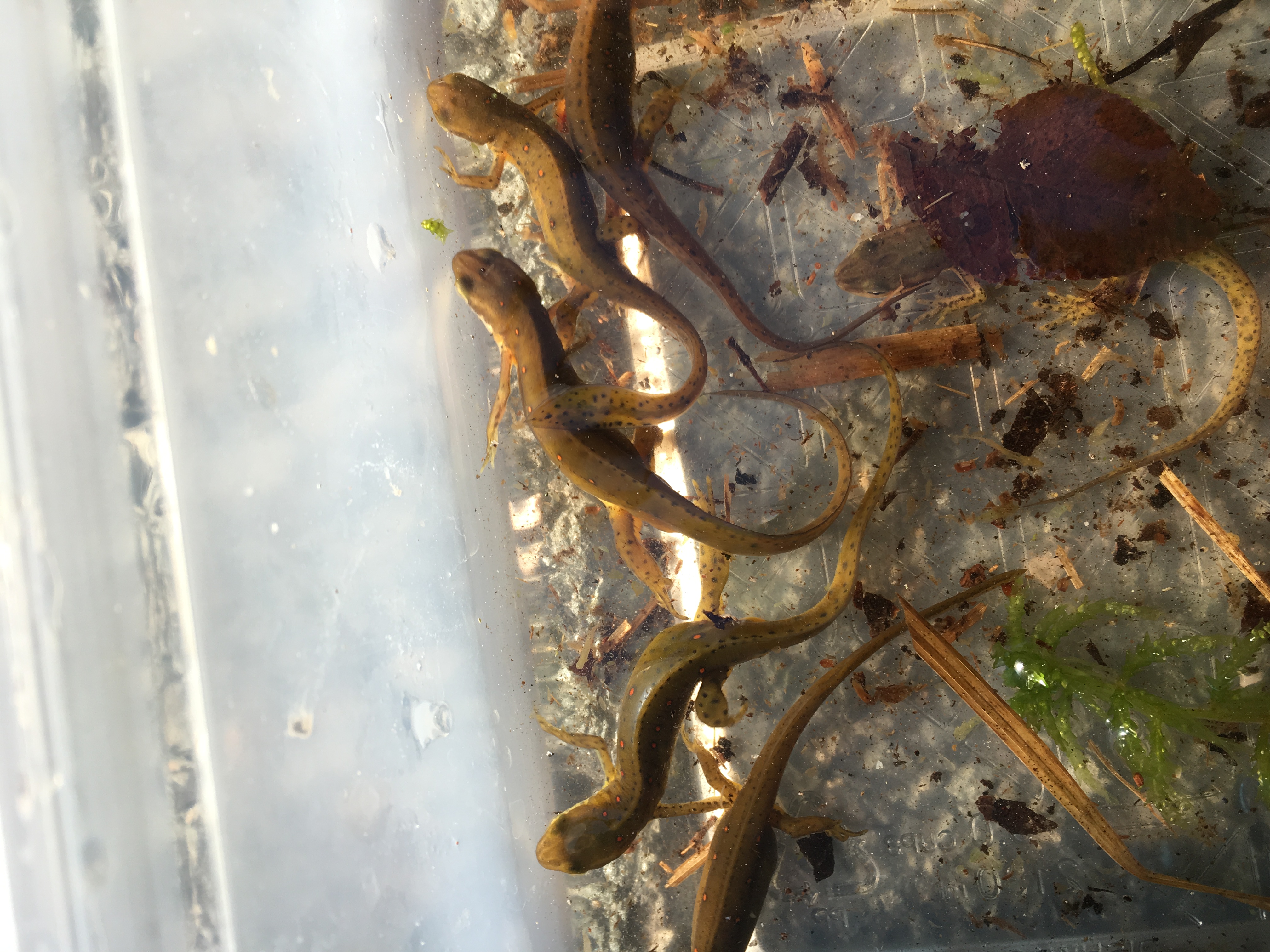
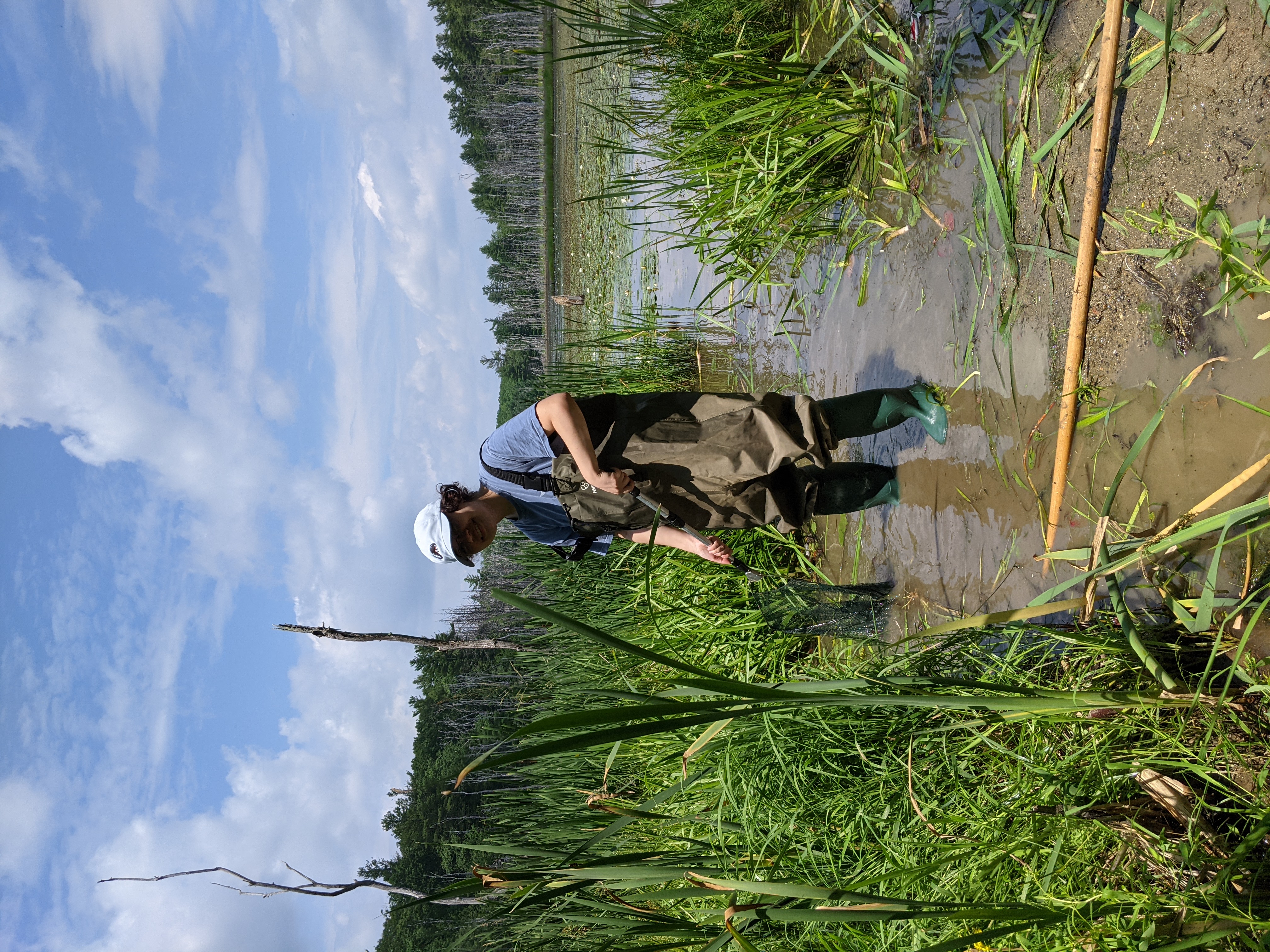
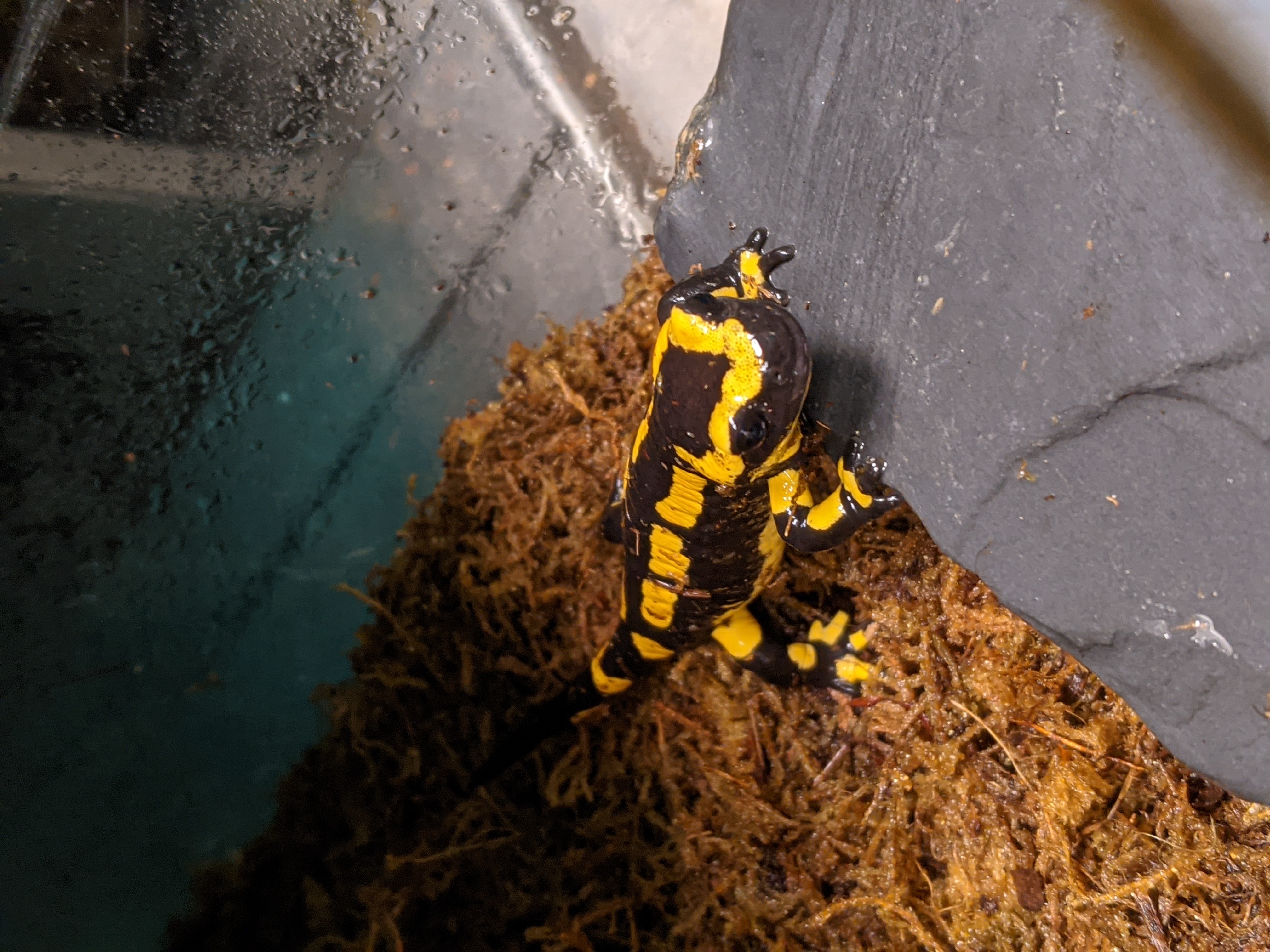
A condensed research summary of the projects I've worked on over time. I employ a mixture of work in the field, lab, and collections to answer questions about host-parasite or host-pathogen relationships. View a more detailed version in my CV (coming soon!).
Using historical parasite collections to reconstruct host biology and expand biodiversity records
2024-Present
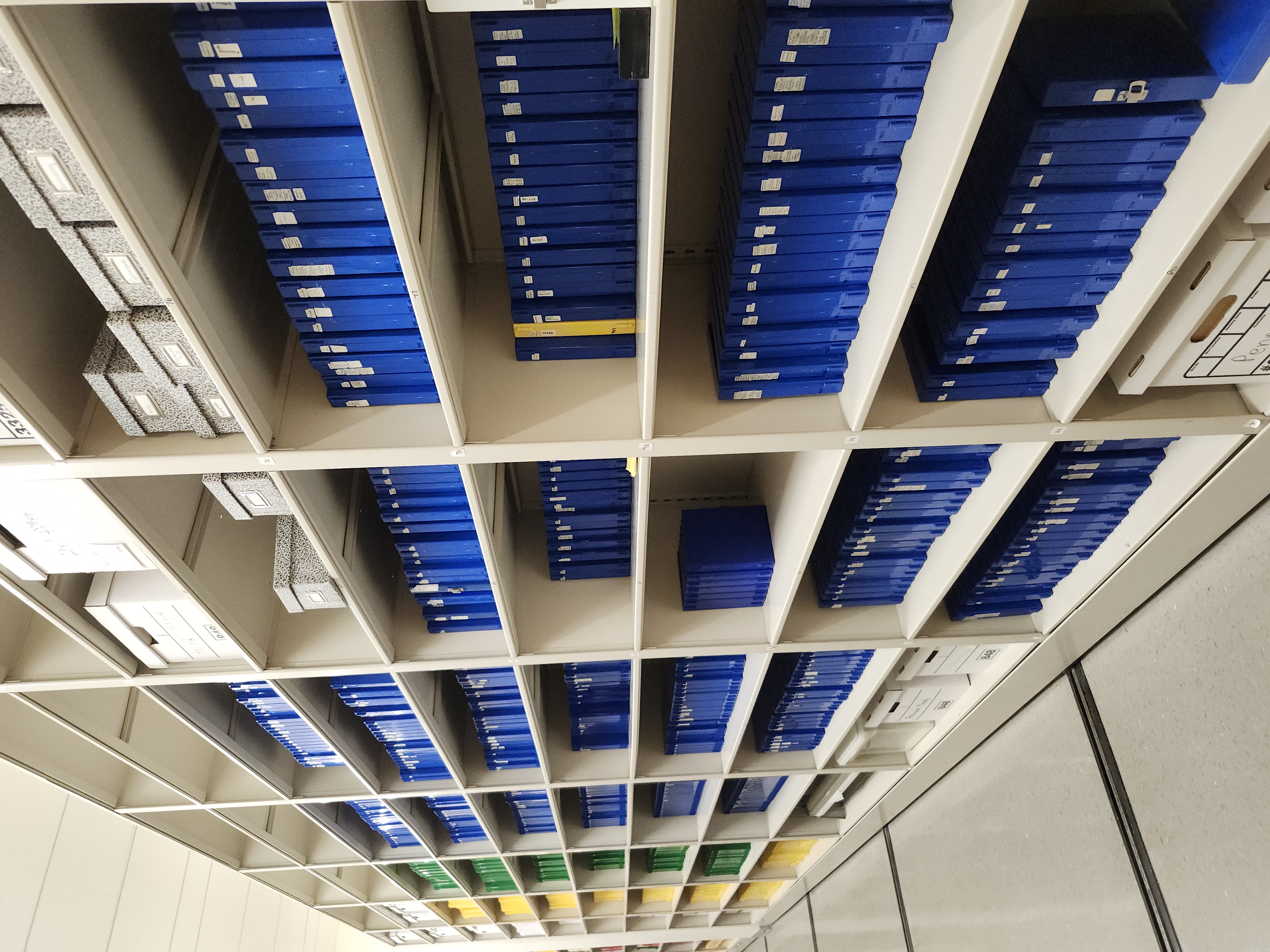
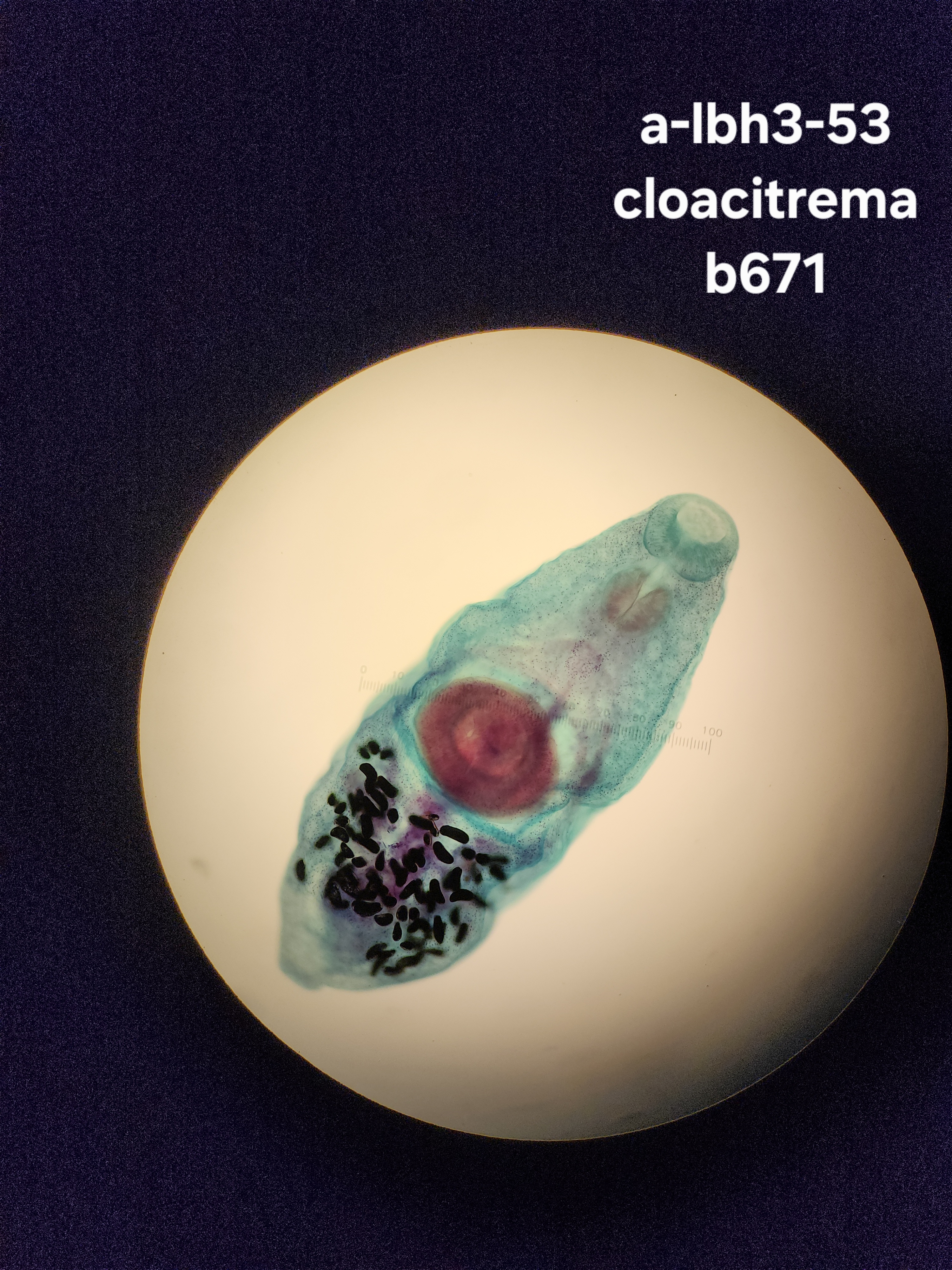
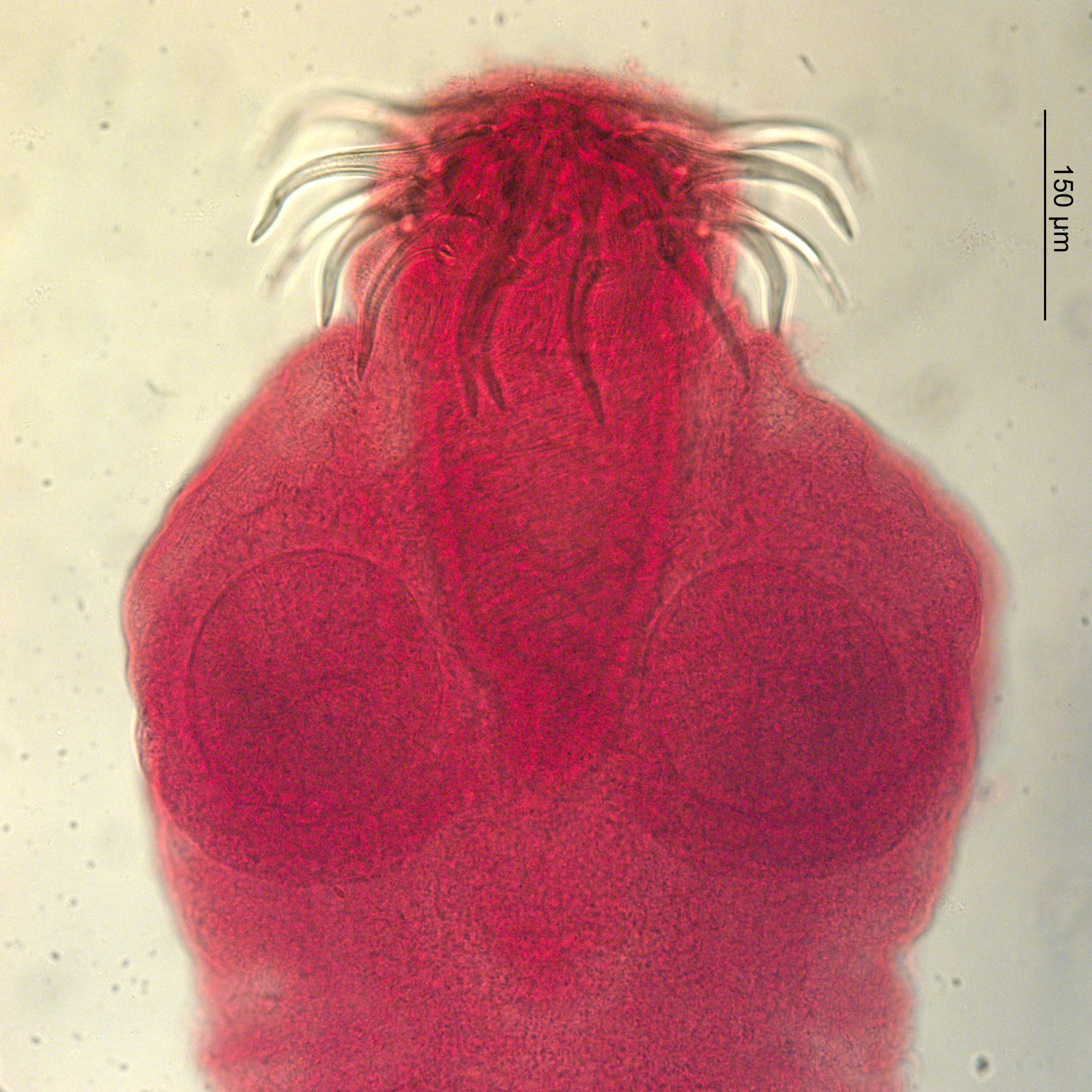
My current research projects include historical parasitology collections, such as the Lawrence R. Penner (LRP) Parasitology Collection housed at the University of Connecticut. So far, I have transcribed thousands of historical host necropsy cards, organized them into a spreadsheet, and identified hundreds of digenean trematodes and cyclophyllidean cestodes off of slides contained in the collection.
Associated Publications and Presentations:
- Horan, S., Caira, J.N., Moore, T.E., Bae, E. (2026). Using historical parasite data to reconstruct avian host biology. American Society of Parasitologists. Orlando, FL. Presentation.
- Horan, S., Caira, J.N. (2026). Expanding records of North American avian cyclophyllideans. American Society of Parasitologists. Orlando, FL. Poster.
- Horan, S., Caira, J.N., Moore, T.E., Bae, E. (2026). Using historical parasite data to reconstruct avian host biology. American Ornithological Society. Amherst, MA. Presentation.
- Horan, S., Caira, J.N. (2026). Expanding records of North American avian cyclophyllideans. XIth International Workshop on Cestode Systematics and Phylogeny. Reykjavík, Iceland. Poster.
Environmental factors influencing early-life responses to parasites in cavity-nesting birds
2021-2024
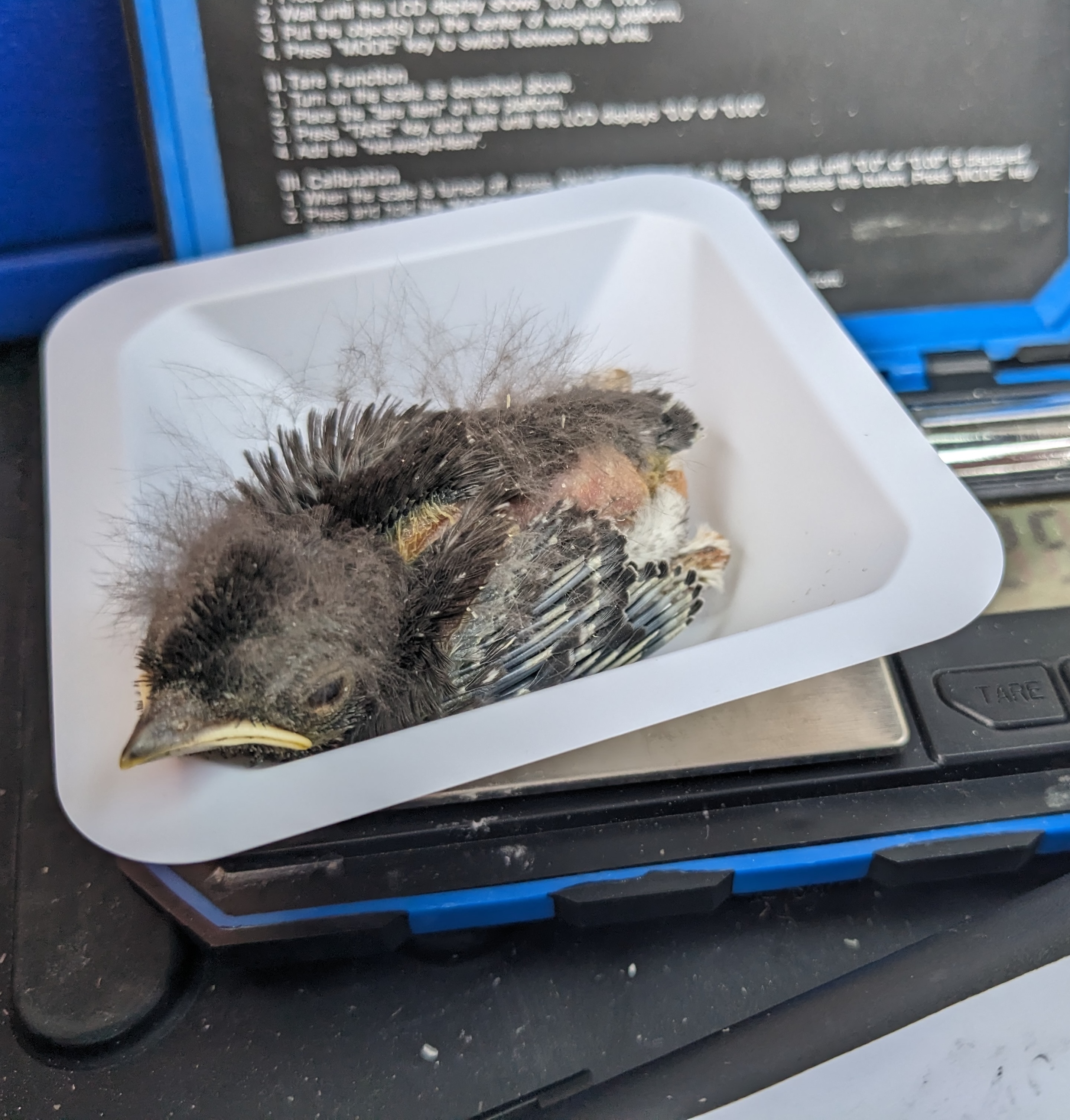
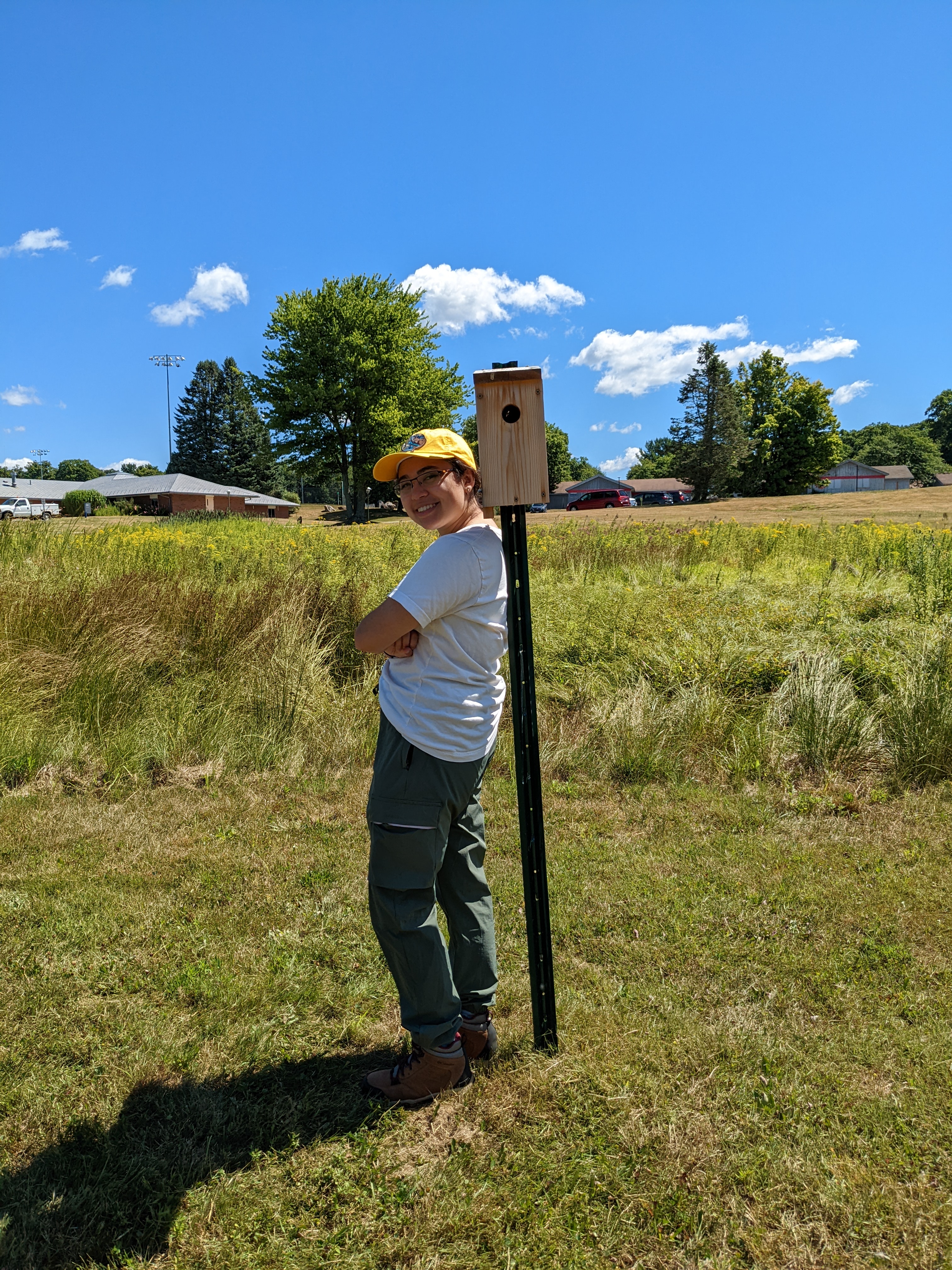
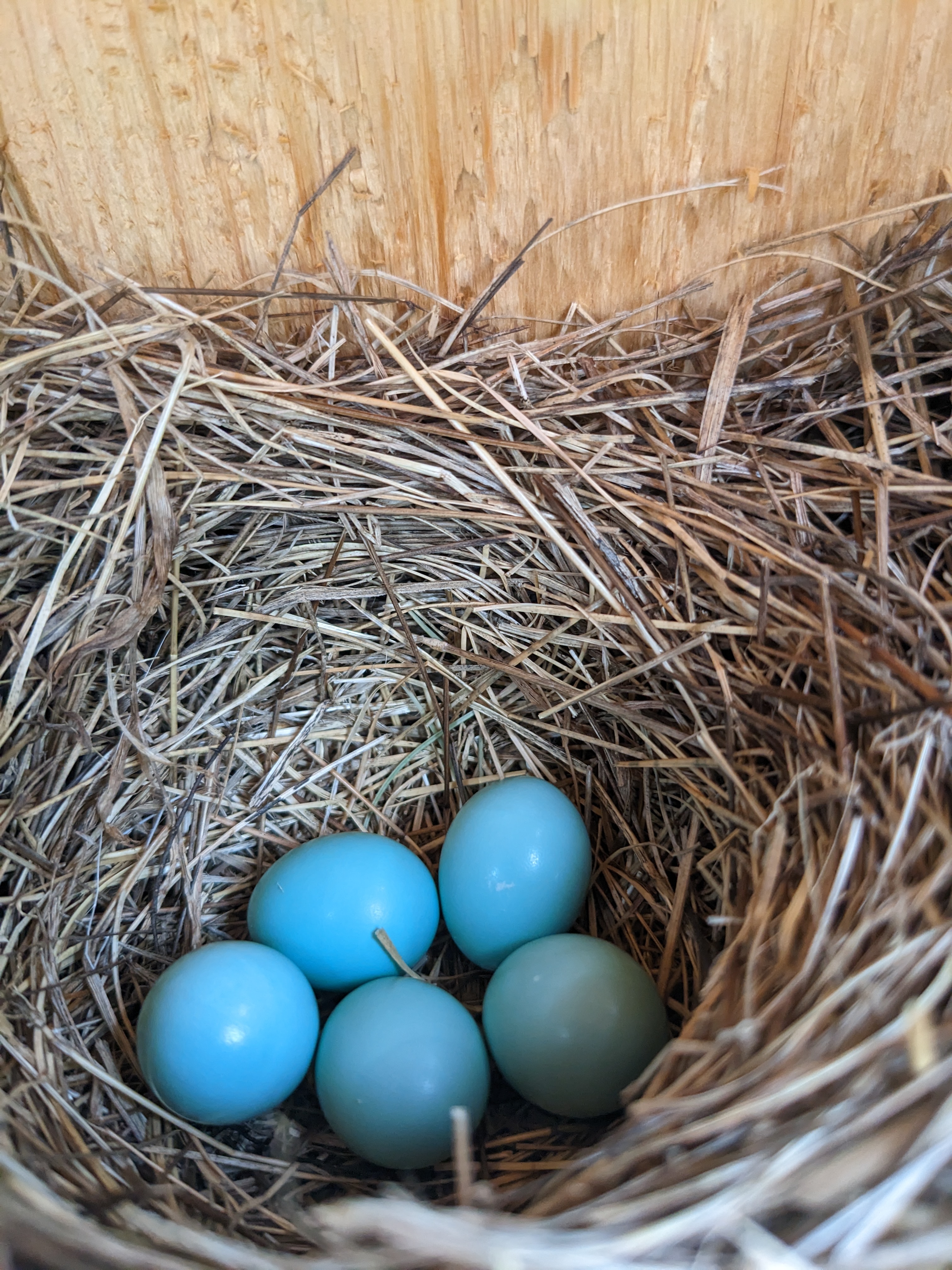
I have contributed to various projects involving the cavity-nesting birds and nest parasite system. Specifically, I have worked with hosts such as the Eastern Bluebird (Sialia sialis) and Tree Swallow (Tachycineta bicolor), and associated nest ectoparasites such as Protocalliphora sialia (blowfly larvae), Ceratophyllus spp. (fleas), and Dermanyssus and Ornithonyssus spp. (mites). Independent projects include...
1.) I artificially manipulated the temperature of the nest boxes of eastern bluebirds. I have been able to determine effects of heat on certain immune gene expression and morphological development of nestlings.
2.) I developed an antigen "vaccine" for Protocalliphora sialia (a parasitic blowfly), and quantified the immune responses to various antigen exposure regimens on Eastern Bluebird nestlings.
Data were collected through a combination of local fieldwork within the state of Connecticut, and a citizen science project to broaden the dataset to multiple states.
Associated Publications and Presentations:
- Knutie, S. A., Bahouth, R., Bertone, M. A., Webb, C., Mehta, M., Nahom, M., Barta, R. M., Ghai, S., Love, A. C., Horan, S., … Albery, G. F. (2024). Understanding spatiotemporal effects of food supplementation on host–parasite interactions using community-based science. Journal of Animal Ecology, 93, 1830–1840. doi:10.1111/1365-2656.14155
- Horan, S., Cochrane, E., Solomon, G., Love, A., McGurer, A., Kunzika, K., Knutie, S.A. (2023). Beating the heat: Mechanisms mediating effects of temperature on host response to parasitism. Society for Integrative and Comparative Biology, Austin, TX. Presentation. Winner of the Best Student Presentation Award (Division of Ecoimmunology and Disease Ecology).
- Horan, S., Knutie, S.A., Bertone, M. (2023). Aiming high: The effect of elevation on host-parasite interactions. Ecological Society of America. Montreal, Canada. Poster.
Potential anuran carriers of emerging salamander pathogen in the pet trade
2020-2021
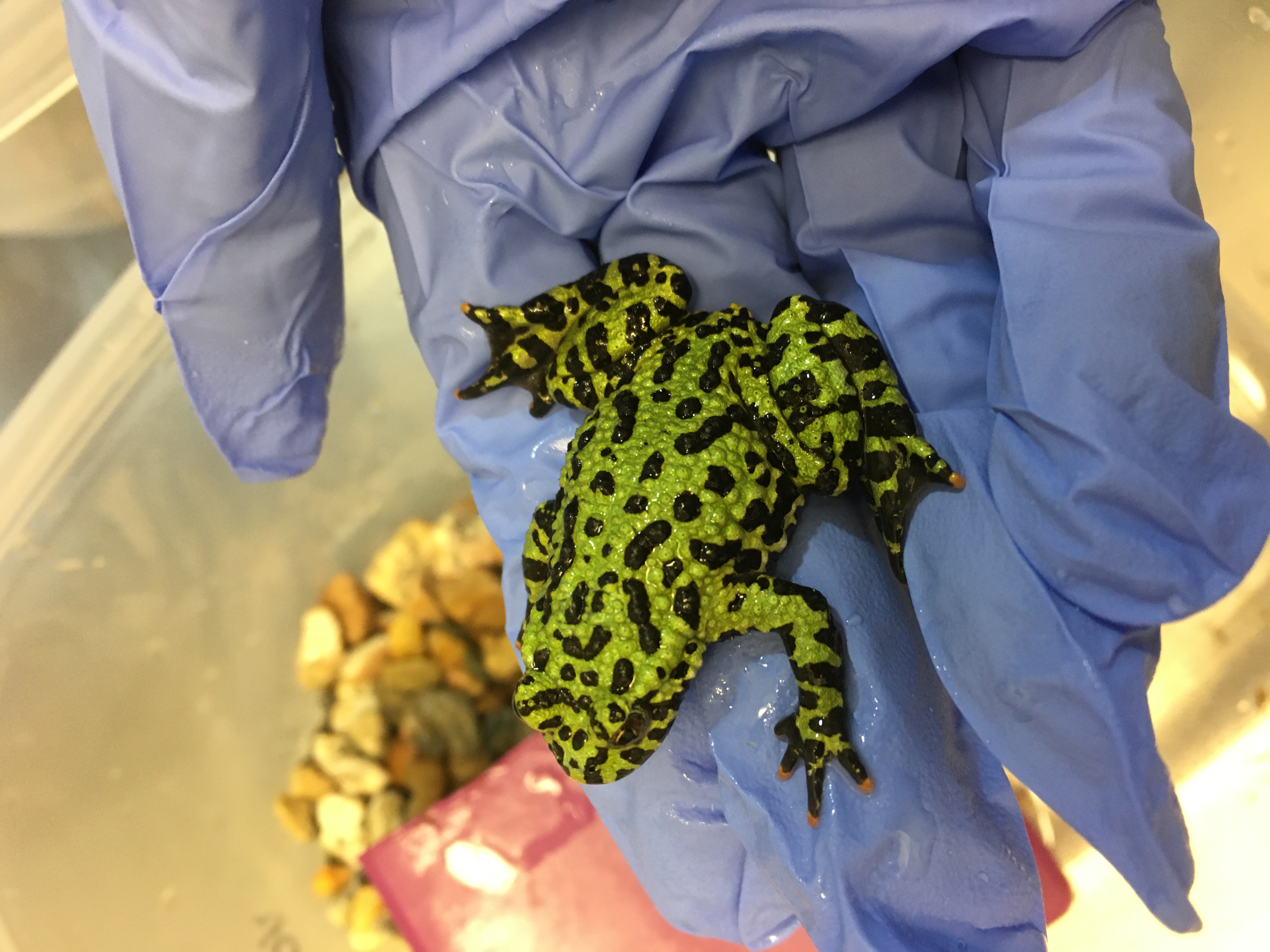
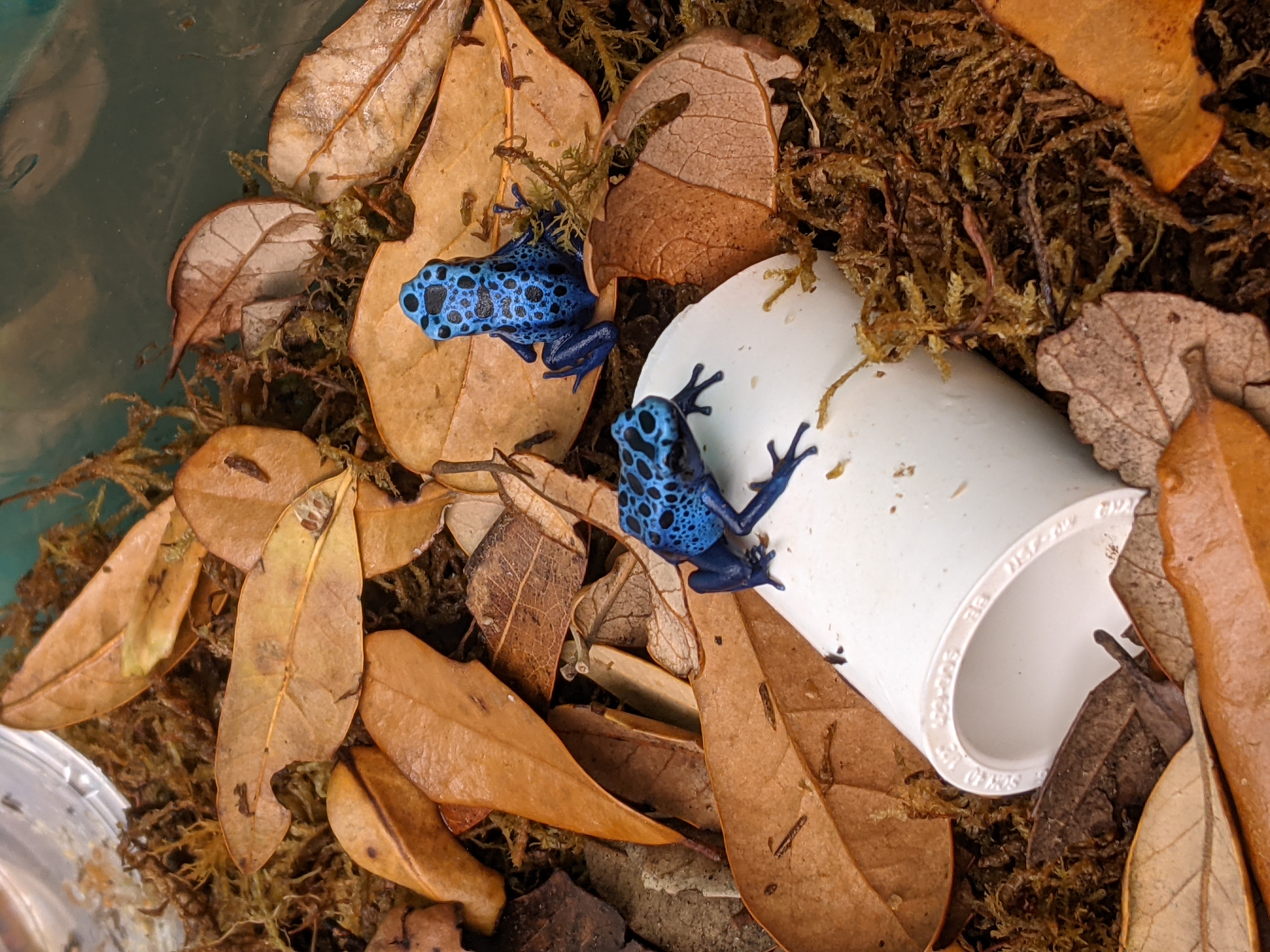
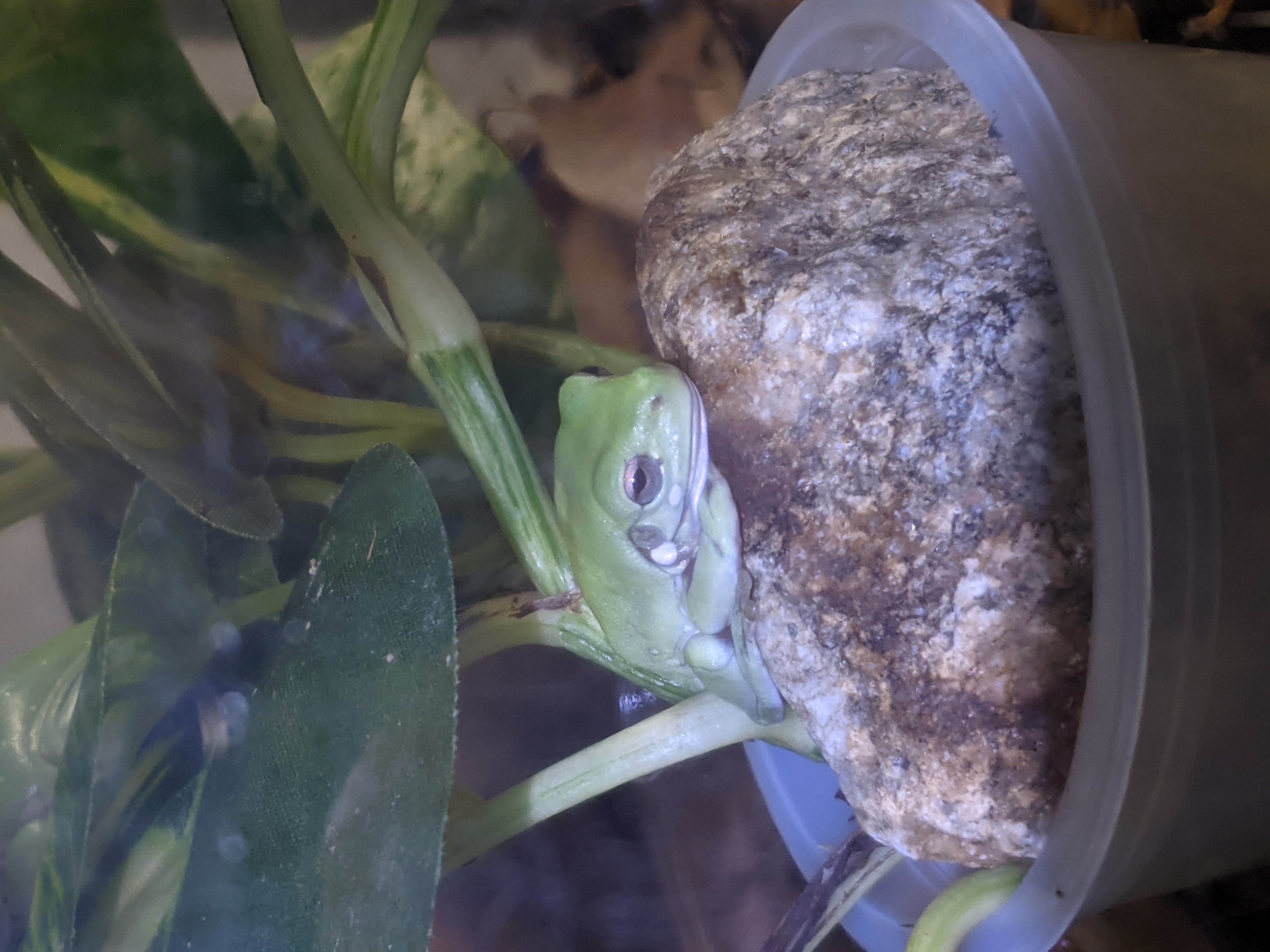
A potential pathway into North America of devastating salamander fungal pathogen Batrachochytrium salamandrivorans (Bsal) is through the international pet trade. If this emerging pathogen is introduced to America, it could have devastating consequences on salamander populations. This project focused on testing the susceptibility and carrier potential of the most highly traded frog species, pictured below. Data from this project will be used to understand pet trade-related risk of introduction. In collaboration with the Piovia-Scott Lab (Washington State University, Vancouver).
Associated Publications and Presentations:
- Masecar S., Tavarez-Jimenez, E.J., Horan, S.,, Draculan, M., Sheley, W.C., McCartney, J.A., Woodhams, D.C., Piovia-Scott, J., Bletz, M.C. (2026). Commonly traded anurans are susceptible to the emerging fungal pathogen Batrachochytrium salamandrivorans. In Review at Scientific Reports.
Mitigation of fungal pathogen Batrachochytrium salamandrivorans
2018-2021
Batrachochytrium salamandrivorans (Bsal)—a relative of the devastating B. dendrobatidis (Bd)—is a fungal pathogen affecting salamanders that has already caused significant declines in European salamander populations, posing a threat to the North American salamander biodiversity hotspot upon potential introduction.
Working with Dr. Molly Bletz and the Woodhams Lab at the University of Massachusetts Boston, I've participated in several experiments contributing to our understanding of Bsal infection dynamics, monitoring, and risk assessment.
Associated Publications and Presentations:
- Horan, S., McDonald, C., Bletz, M. (2020). Batrachochytrium dendrobatidis is widespread and associated with water temperature in the eastern United States. Herpetological Review, 51(3).
- Horan, S. (2020). Environmental factors influencing prevalence of Batrachochytrium dendrobatidis in the eastern United States. Biology Department Honors Senior Thesis Presentation. University of Massachusetts Boston. Presentation.
- Horan, S., McDonald, C., Bletz, M. (2022). Environmental factors influencing prevalence of Batrachochytrium dendrobatidis in the Eastern Newt (Notophthalmus viridescens). Society for Integrative and Comparative Biology. Presentation.